The ZoMe Method
Did you know...
Women have sleep disruption severe enough to their daily lives
60%
35%
of employed women report that menopause symptoms impact their work performance
50%
Women experience mood changes affecting relationships
Menopause remains invisible
In Ireland, we educate girls extensively about puberty; hormones, physiology, what to expect. Menopause?
Barely a mention.
The result: women face this transition blind, then get bombarded with conflicting advice. HRT is essential. HRT is dangerous. Cut carbs. Eat carbs. HIIT is life. HIIT will wreck your hormones.
No wonder so many feel bewildered, unsure where to turn.
What actually happens in menopause?
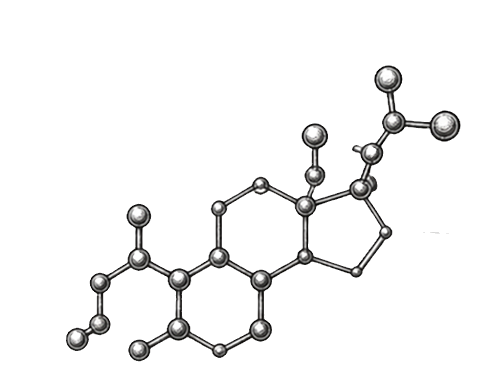
Menopause is defined by declining oestrogen — but this isn't just a reproductive shift. Oestrogen receptors sit throughout your brain, heart, bones and metabolism. As oestrogen drops, four connected systems fall out of balance:
Here's what we do know: the chaos ends with strategy. The right fitness, the right nutrition, the right support, and you can manage your symptoms while protecting your health for decades to come.
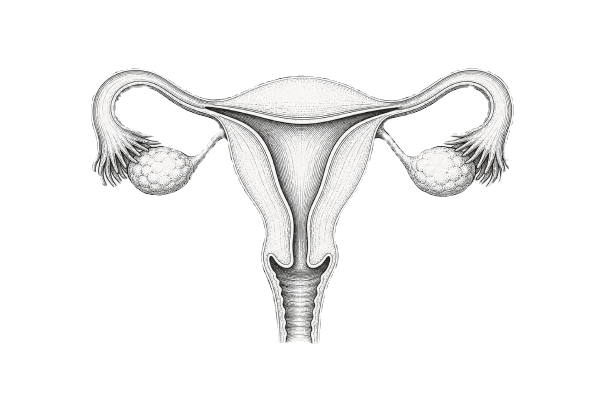
Hormone levels decline
Ovarian function slows and levels of oestrogen and progesterone fall. Because these hormones influence tissues throughout the body, the effects go far beyond the reproductive system.
Sleep becomes more easily disrupted
Hormonal changes can affect sleep directly, while night sweats and changes in temperature regulation can repeatedly interrupt it. Sleep may become lighter and less restorative.
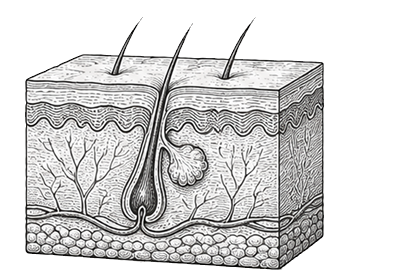
Skin, hair and other tissues change
Declining oestrogen affects collagen, elasticity and moisture. Skin may become thinner and drier, hair can change or thin, and tissues throughout the body—including vaginal and urinary tissues—can become less elastic.


Your body’s thermostat becomes more sensitive
Lower oestrogen affects the hypothalamus, which regulates body temperature. Small temperature changes can trigger an exaggerated cooling response, causing hot flushes, sweating and sometimes chills.
The brain responds to changing hormones
Oestrogen interacts with neurotransmitters and brain systems involved in mood, memory and concentration. Fluctuating levels can contribute to brain fog, forgetfulness, irritability and changes in mood.
Body composition and metabolism shift
Muscle mass tends to decline with age and menopause is associated with changes in where fat is stored, with more tending to accumulate around the abdomen. Maintaining muscle becomes increasingly important.
ZOME created a science-based system that works
A method that addresses three connected things at once:
the mind, strength and nutrition.
All three feed each other. Your blood sugar crashes and your mood crashes. You can't sleep so you can't build strength. Your mindset defeats you so you don't show up to fitness or change your nutrition.
They're all connected. So your support has to be too.
That’s the Zome Method.
The three pillars
Strength
Training
We use strength training because it helps protect your bones, support your metabolism and keep you strong and capable through menopause.
Targets: Increase muscle mass, stronger bones, improved energy.
Nutrition Coaching
We support your nutrition because what you eat affects your energy, sleep, mood, weight and how well your body adapts to menopause.
Targets: Steadier energy, better sleep, weight management and overall health.
Mind
Coaching
We coach you through the wider changes of menopause, helping you manage symptoms, reduce stress and build habits that last.
Targets: Symptom relief, emotional support and lasting consistency.

From osteoporosis
Suzanne came in after her doctor prescribed her with
strength training regimen after her osteoporosis diagnosis and a low DEXA scan score.
Feeling overwhelmed by regular gyms, never having lifted a barbell in her life, she came to ZoMe for help.
During The Renewal, we got her DEXA scan
back to a normal level, and she continues to build strength like never before, so she can stay independent and healthy into her later years.
To post-cancer treatment
After undergoing a lumpectomy, Donna came to ZoMe with noticeable weakness on her left side.
Over 12 weeks, we carefully adapted her training to rebuild strength and confidence at a pace that felt right for her. By the end of the programme, Donna had significantly strengthened her left side, reduced the imbalance between both sides and felt stronger in her body again.